
Quick answer: Changzhou Senjie builds chamber (recessed-plate), membrane and plate-and-frame filter presses from 630 mm to 2000 mm plate size, in manual, semi-automatic and fully automatic versions, for mining tailings and concentrate, municipal and industrial sludge, chemical, food and stone-processing slurry.
How to use this catalog: choose the chamber filter press for general dewatering where a 60–75% moisture cake is acceptable; the membrane filter press when you need a drier cake or a shorter cycle; the plate-and-frame press for small batches, thin cakes or intact cake removal; and the tailings press or concentrate press for continuous mine duty. Not sure which size? Read how to calculate filter press capacity, or send a slurry sample for a filtration test and we size the press on the result.
Filter Press Catalog - Chamber, Plate and Frame, Membrane

Filter Presses for the Stone Industry | Sludge Dewatering Solutions for Granite and Marble Processing
Oil & Gas Plant Plate Frame Filter Press & Filter Plate Supplier | Micron-Level Filter Cloth Customization
Automatic Concentrate Filter Press for Mining & Metallurgy | Filter Press in Gold Mining

Wastewater filter press | Small wastewater filter | Diaphragm filter press manufacturer
Chamber Filter Press for Mining, Chemical, and Wastewater Applications
Industrial Filter Press | Fully Automatic Filter Press Manufacturer
Membrane Filter Press for Mining, Chemical & Food Industries | Automatic Dewatering Equipment
Yeast Filter Press for Brewery & Fermentation – High-Efficiency Solid-Liquid Separation
Plate and Frame Filter Press – Efficient Solid-Liquid Separation Solution
Mining Tailings Dewatering Filter Press
Filter Press
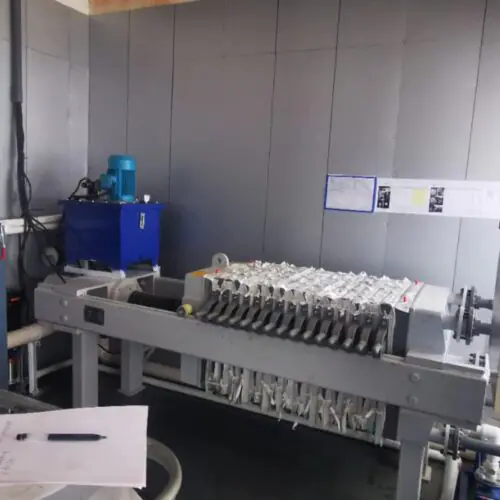

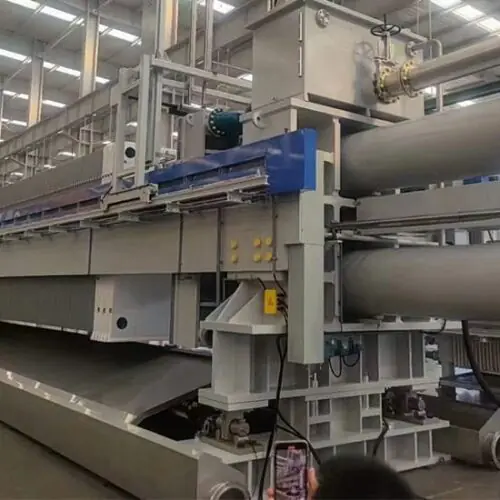
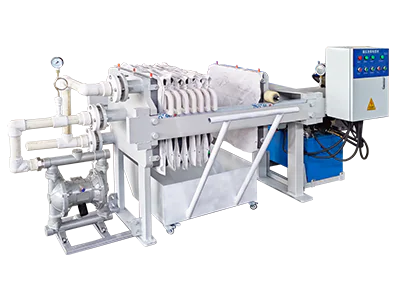
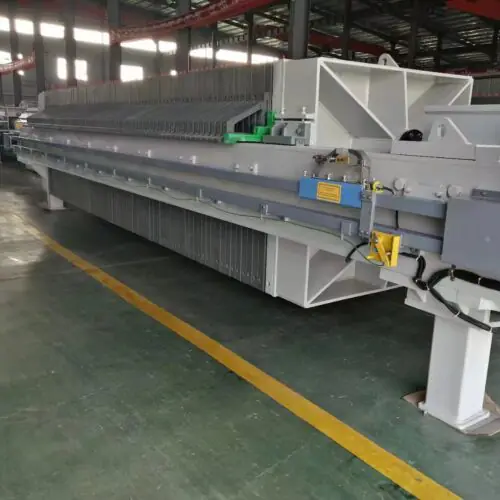
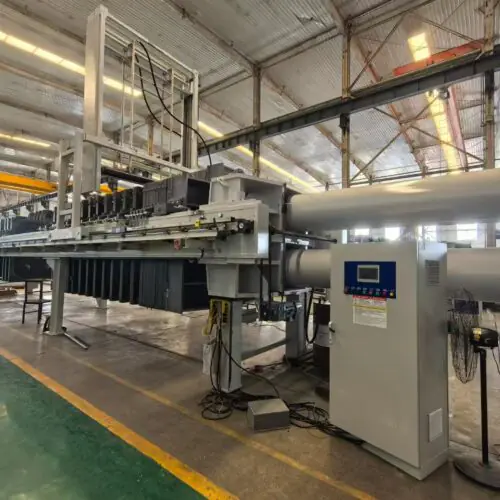
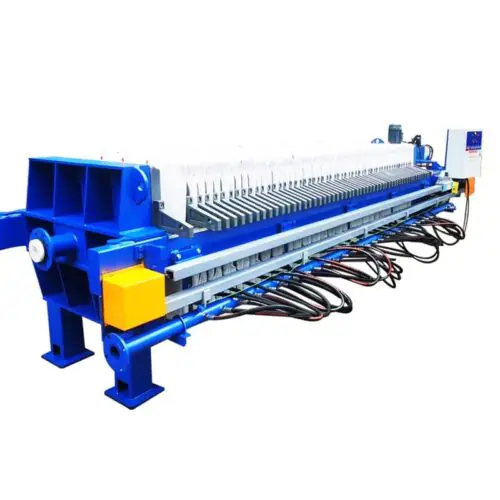
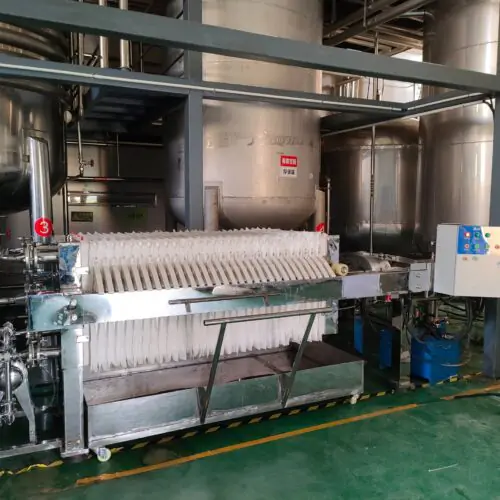
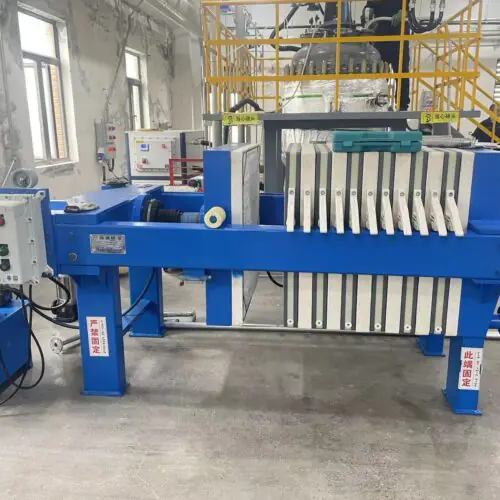
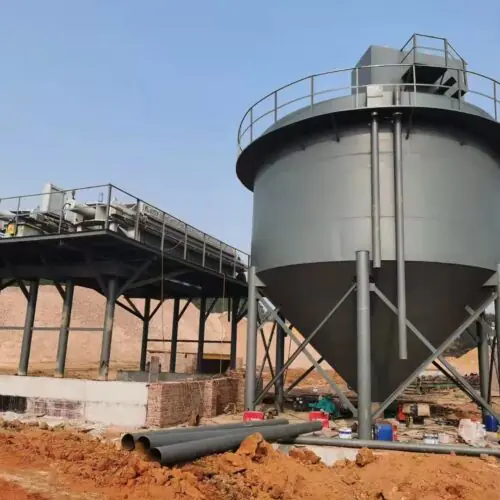
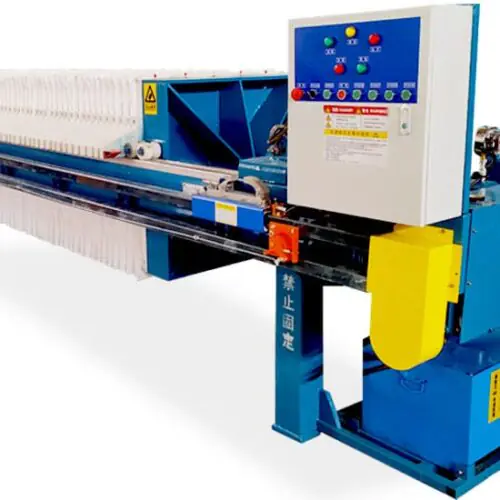
Which filter press type should you choose?
The right filter press depends on how dry the cake must be and what the slurry is. The table compares the three main types Senjie builds.
| Type | How it dewaters | Typical use | Choose it when |
|---|---|---|---|
| Chamber filter press | Feed-pump pressure fills recessed chambers and forms the cake | Municipal and industrial sludge, mining tailings, general dewatering | You want a simple, robust press and standard cake dryness is acceptable |
| Membrane filter press | Feed pressure plus a membrane squeeze stage | Concentrates, chemicals, food, sludge with a strict moisture limit | Cake must be drier or the cycle must be shorter |
| Plate and frame filter press | Slurry is filtered between flat plates and hollow frames | Fine filtration, polishing, frequent cloth or paper changes | Filtrate clarity matters more than cake volume |
Filter press buyer questions
What is the difference between a chamber filter press and a membrane filter press?
A chamber filter press dewaters with feed-pump pressure alone. A membrane filter press adds a squeeze stage: after the chambers are full, a flexible membrane is inflated with air or water and presses the cake again, which gives a drier cake in a shorter cycle.
Which filter press type gives the driest cake?
A membrane filter press normally gives the driest cake, because the squeeze stage removes water that feed pressure alone leaves behind. Sludge conditioning, filter cloth selection and cycle time also affect the final moisture.
What information is needed to size a filter press?
Five figures: slurry volume per day, solids concentration, target cake moisture, operating hours per day, and particle size and pH. From these the cake volume per cycle, plate size and number of plates can be calculated.
Does Senjie also supply filter plates and filter cloth?
Yes. Changzhou Senjie Environmental Equipment Co., Ltd. supplies filter presses together with filter plates, filter cloth and feed pumps, so the press, plates and cloth can be matched to the same slurry.
Sizing guides: how to calculate filter press capacity · how to calculate the number of plates