
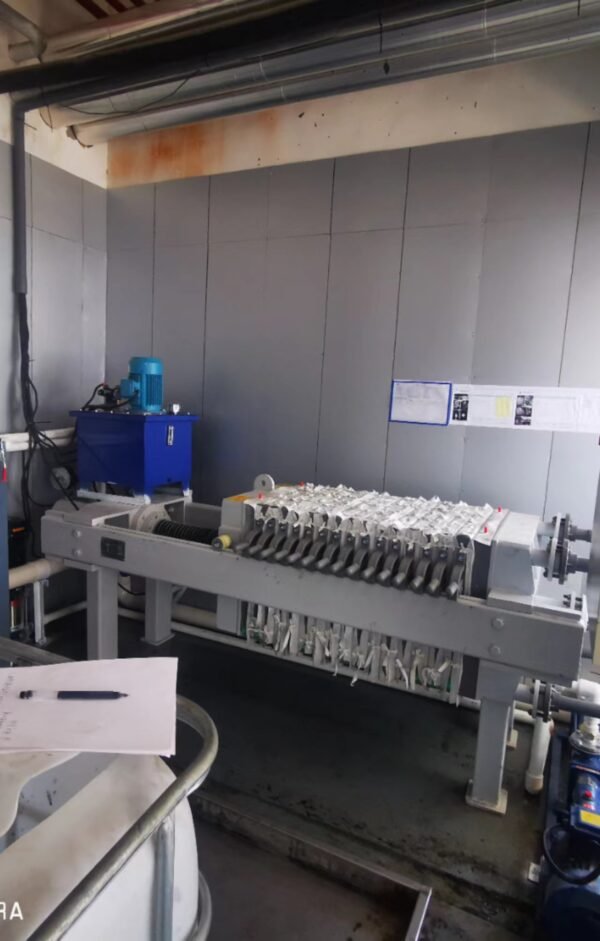
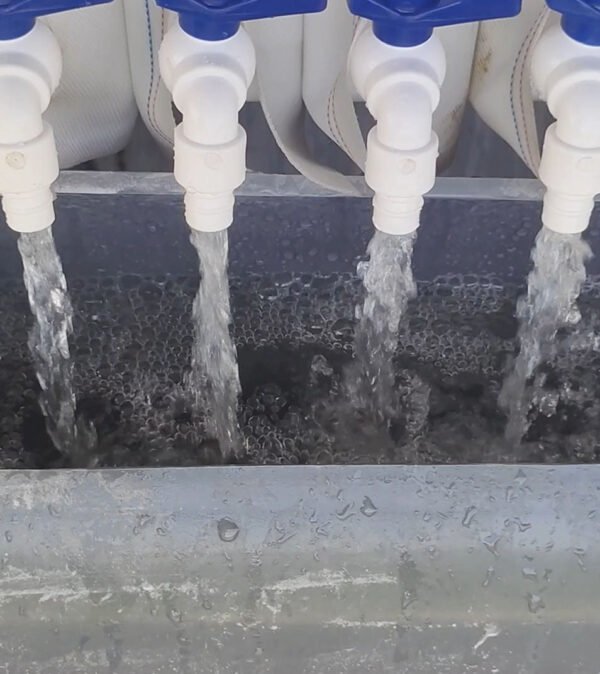
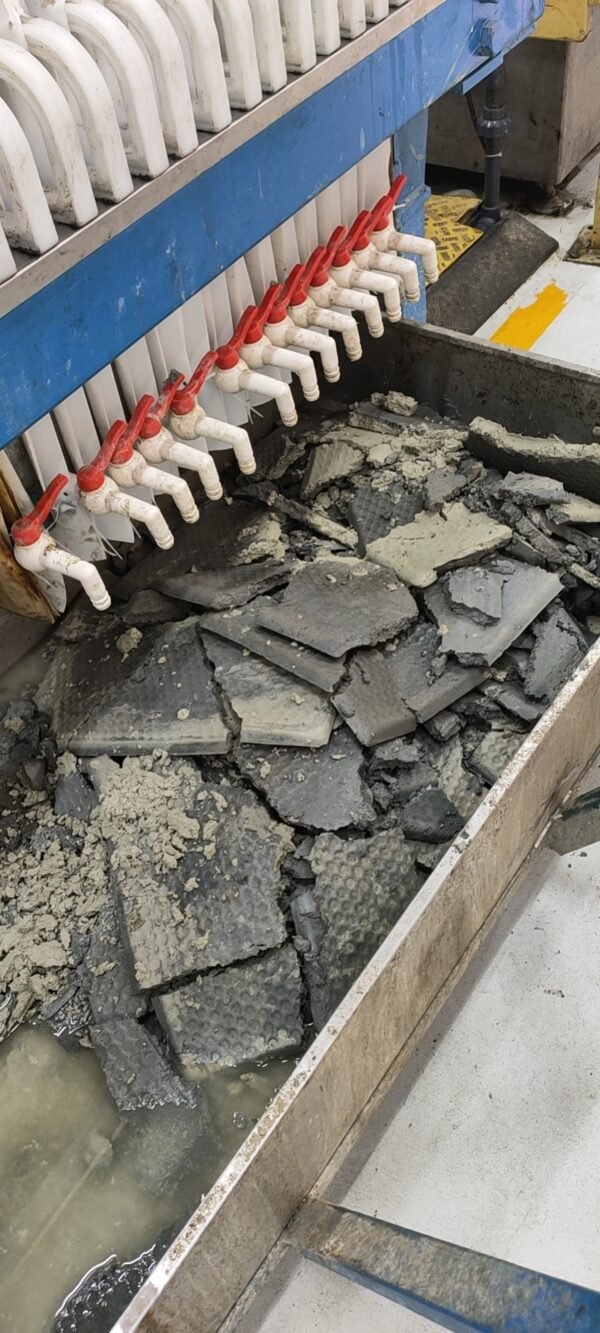
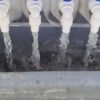
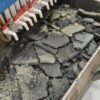
Quick answer: A stone-industry filter press dewaters the fine slurry from granite, marble and quartz sawing and polishing into a dry, stackable cake of about 20–30% moisture and returns clear water to the saws. Chamber presses with large polypropylene plates, abrasion-resistant cloth and automatic plate shifting are the usual configuration; membrane plates are added when the cake must be drier for haulage or reuse.
Filter Presses for the Stone Industry | Sludge Dewatering Solutions for Granite and Marble Processing
- Workshop Cleanliness & Safety: Removes up to 99% of solids from stone cutting and polishing wastewater, maintaining a tidy environment and improving workplace safety.
- Lower Handling Costs: Drier filter cakes mean less weight and lower disposal expenses per truckload.
- Engineered for Stone: Built to handle abrasive powders and chemical additives typical in stone processing water.
- Flexible Capacity: Available for both small workshops and large-scale stone production plants.
- Compliance Assured: Designed to meet strict local and international wastewater discharge and recycling regulations.
- Marble & Granite Cutting and Polishing: Efficient separation of solids from production water.
- Quartz & Engineered Stone Manufacturing: Reliable dewatering for high-volume production lines.
- Ceramic, Terrazzo, and Slate Processing: Suitable for a variety of mineral-based material industries.
- Stone Dust & Sediment Management: Keeps sawmills and processing workshops clean and compliant.
Get a Quote
Related products & guides
Buyer FAQ
What plate size is typical for a stone processing plant?
Small workshops usually run 800–1000 mm plates; mid-size and large plants run 1250–1500 mm. The right size depends on cubic metres of slurry per day and its solids content, which a short filtration test on your slurry will confirm.
Do I need a thickener or settling tank before the press?
Yes in most plants. Stone wastewater is dilute, so a settling tank or thickener with flocculant brings solids up to a level the press can fill efficiently and cuts cycle time.
How is the stone cake disposed of?
At 20–30% moisture the cake is dry enough to truck to landfill or to reuse as fill or a raw material for bricks and cement; it does not drip, so it can be stockpiled under cover.