

Filter press dairy poultry DAF sludge dewatering requires cloth and polymer choices matched to high-fat, high-protein waste streams that behave differently from municipal sludge.
TL;DR: Dairy and poultry processing plants generate DAF (dissolved air flotation) sludge and biological (secondary) sludge loaded with fats, proteins, and blood solids that clog standard wastewater filter presses if cloth and pre-treatment are not matched to the fat content. A chamber or membrane filter press with 20-30 micron polyester cloth, combined with correct polymer conditioning, typically achieves 25-35% cake moisture and lets plants cut sludge disposal volume by 60-75% versus untreated DAF float.
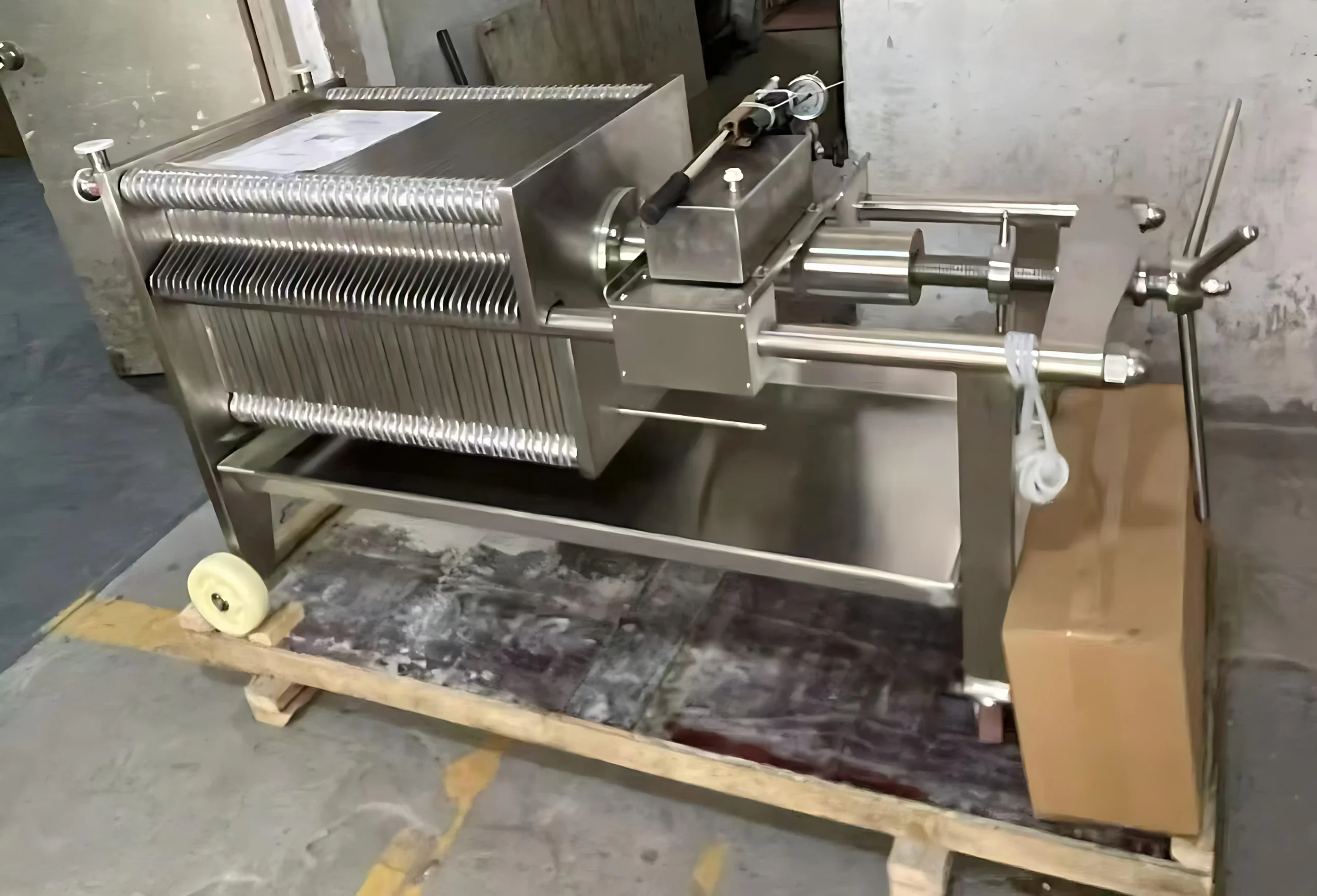
Filter Press Dairy Poultry DAF Sludge: Quick Answer
A chamber or membrane filter press with 20-30 micron polyester cloth is the standard filter press dairy poultry DAF sludge solution, provided polymer dosing is correctly tuned.
What sludge does dairy and poultry processing wastewater treatment produce?
Dairy plants produce DAF float loaded with milk fat, casein protein, and cleaning-in-place (CIP) residues; poultry processing plants produce DAF float and biological sludge containing blood, feathers, fat, and protein from evisceration and chilling operations. Both streams are high in fats, oils, and grease (FOG) and biological oxygen demand (BOD), which makes them more difficult to dewater than typical municipal sludge because fat coats filter cloth fibers and reduces filtration rate over repeated cycles if not managed.
Which filter press and cloth type handles high-fat DAF sludge?
Polyester monofilament or multifilament cloth in the 20-30 micron range is the standard starting point for dairy and poultry DAF sludge, chosen for its resistance to the fat and protein fouling that degrades polypropylene cloth faster in high-FOG applications. A chamber filter press handles most dairy and poultry DAF loads; membrane presses are worth the added cost where plants need lower cake moisture to cut disposal or rendering transport costs, since fat-laden cake is often sent to rendering or anaerobic digestion rather than landfill.
| Sludge Source | Typical Solids Content Fed | Recommended Cloth | Typical Cake Moisture |
|---|---|---|---|
| Dairy DAF float | 3-6% | Polyester, 20-30 micron | 28-35% |
| Poultry DAF float (blood/fat) | 2-5% | Polyester, 20-25 micron | 25-32% |
| Combined biological + DAF sludge | 1-3% | Polyester, 15-20 micron | 30-38% |
Do dairy and poultry plants need polymer conditioning before the filter press?
For filter press dairy poultry DAF sludge treatment, yes in almost all cases. Raw DAF float and biological sludge from food processing rarely dewater well without polymer (flocculant) conditioning, since the fine fat globules and protein colloids resist forming a stable, permeable cake on their own. Correct polymer type and dose, established through jar testing on your actual sludge rather than assumed from another plant’s dosing, typically improves both cycle time and final cake moisture significantly, and under-dosing is the most common reason a press underperforms its rated capacity in this application.
What cake disposal options exist for dairy and poultry filter press cake?
After a filter press dairy poultry DAF sludge run, fat- and protein-rich filter cake from dairy and poultry processing is frequently suitable for rendering, anaerobic digestion feedstock, or composting, which can offset disposal cost compared to landfill, depending on local rendering and biogas infrastructure. Cake with lower moisture content is generally more attractive to renderers and cheaper to transport, which is one of the main reasons some plants opt for membrane presses over chamber-only designs despite the higher upfront cost.
FAQ
Why does my filter cloth blind faster with dairy sludge than municipal sludge?
Fat and protein coat cloth fibers and partially block pores in a way typical municipal solids do not, which is why polyester cloth (more fat-resistant than some alternatives) and a proper cloth washing routine matter more in this application than in general wastewater dewatering.
Can one filter press handle both dairy DAF sludge and biological sludge?
Often yes if cloth and polymer dosing are set up for the harder-to-dewater stream (usually biological sludge), but plants running both should confirm capacity against combined, not just peak single-stream, volume.
How often should filter cloth be replaced in dairy/poultry service?
Fat fouling shortens cloth life compared to cleaner sludge streams; many plants find 6-12 months of service life typical before flow rate degradation makes replacement more economical than continued washing, though this varies by wash routine and polymer dosing accuracy.
Related equipment: wastewater filter press, filter press cloth. See also: filter press cloth guide and filter press guide.
For background on DAF treatment in food processing, see dissolved air flotation (Wikipedia).
By Senjie Engineering Team. Last updated: July 29, 2026.
Sizing the dewatering stage in isolation is a common mistake. See industrial wastewater treatment equipment and complete systems for how the five stages size against each other.
Tell us your effluent flow, water analysis and discharge limit and we will come back with a process proposal: request a quotation.
This article is part of our guide to municipal and industrial wastewater sludge.