Small Filter Press for Small Plants: Sizes, Capacity and Cost
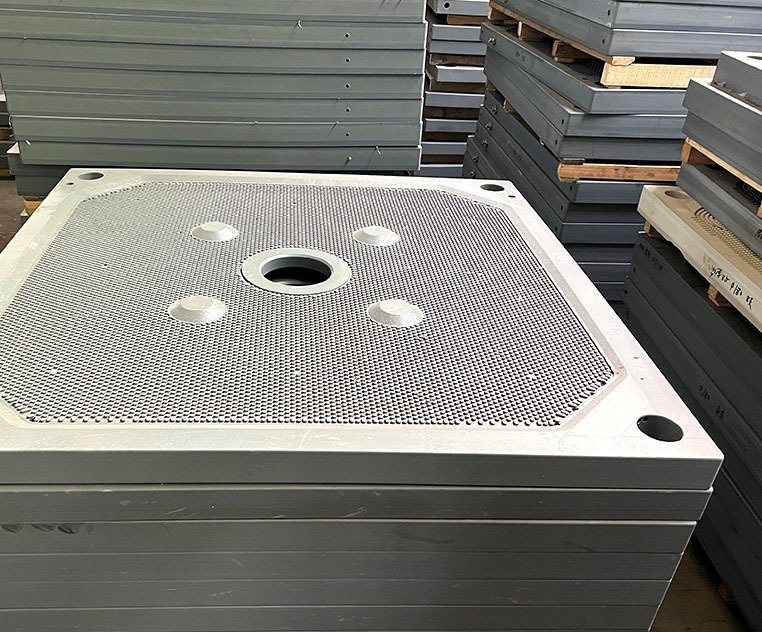
What a small filter press is (320–800 mm plates, 1–20 m²), how to size it on dry solids per day, manual vs automatic, feed pump, and indicative cost for small plants.


What a small filter press is (320–800 mm plates, 1–20 m²), how to size it on dry solids per day, manual vs automatic, feed pump, and indicative cost for small plants.
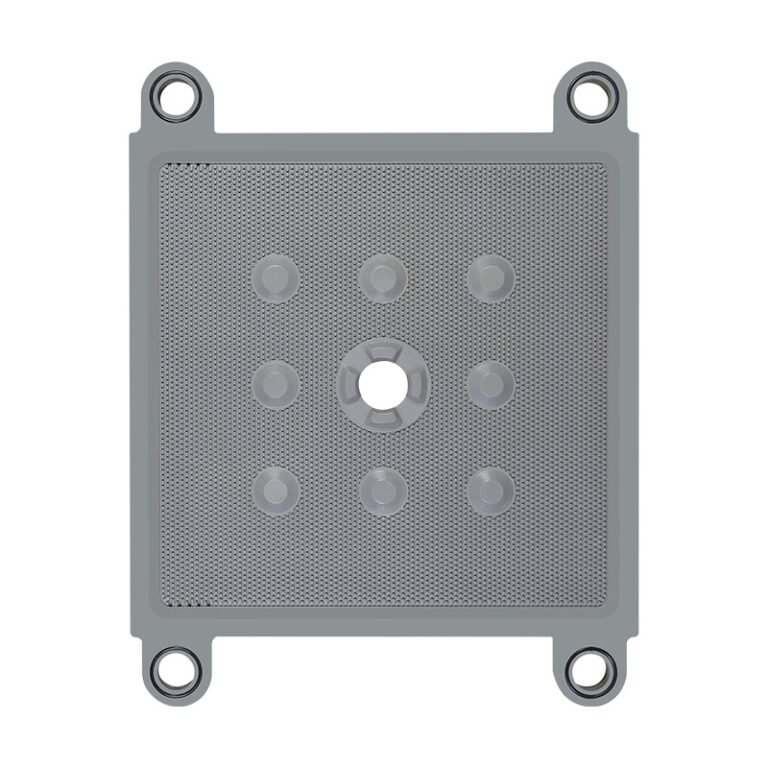
The three sludges of a paper mill, moisture targets for boiler fuel, landfill and kilns, screw press vs belt press vs centrifuge vs chamber and membrane filter press on each sludge, conditioning, cloth, cycle and cake handling, plus lime mud and green liquor dregs.
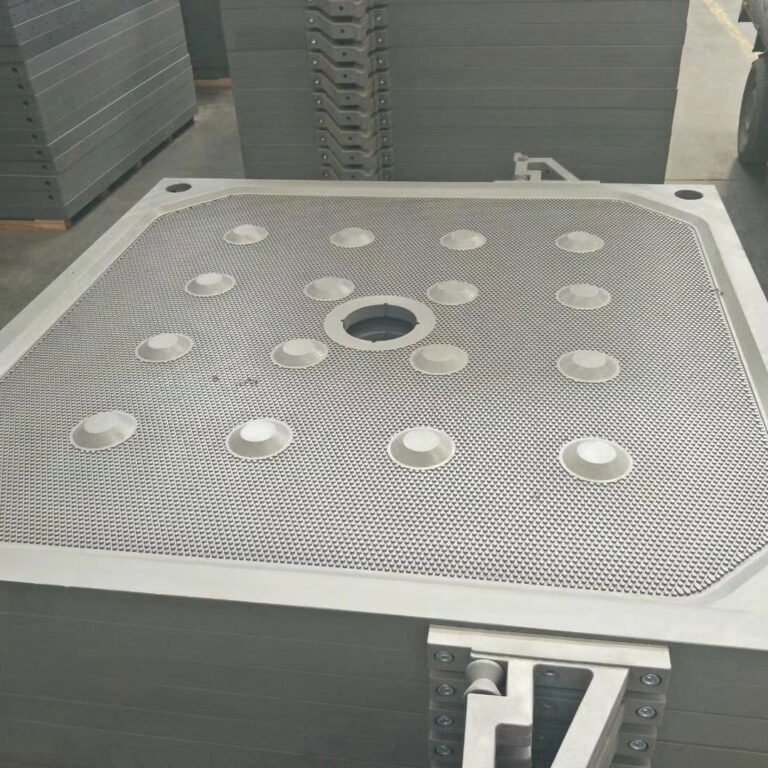
Why kaolin, ball clay and bentonite are hard to dewater, where the filter press sits in a kaolin plant, membrane vs chamber vs belt vs centrifuge on clay, and how to design feed, cloth, squeeze and chamber depth for a 65 to 75% solids cake.
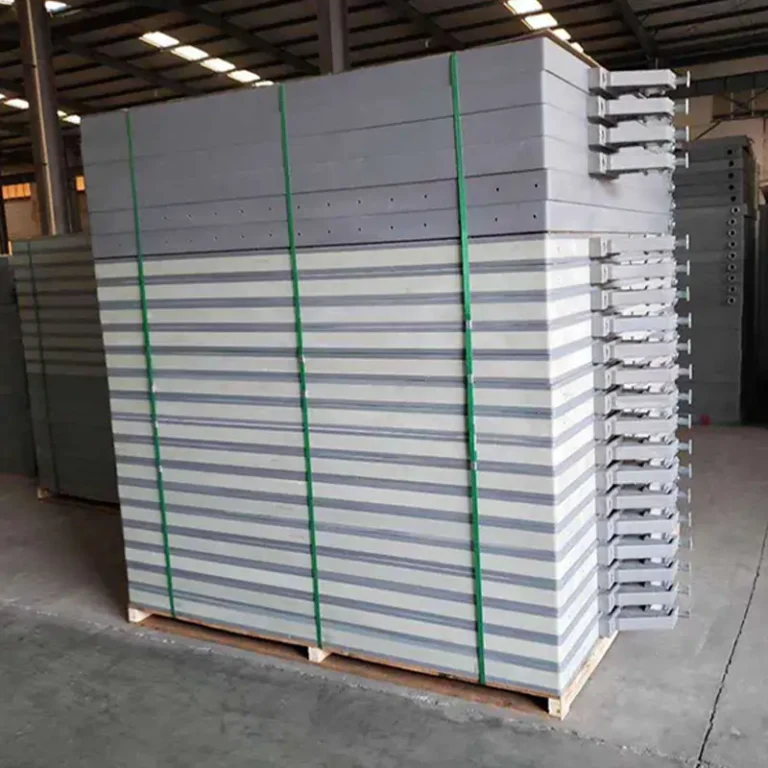
Where a filter press really seals, gasketed vs non-gasketed plates, EPDM/NBR/FKM/silicone gasket materials by filtrate, the five causes of plate-to-plate leaks, and how to fit and specify seals.
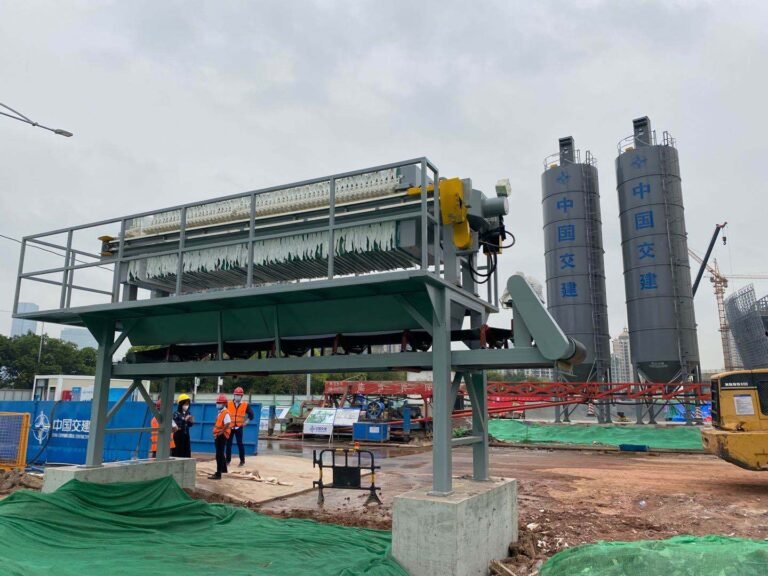
How coal fly ash, bottom ash, pond sediment and FGD gypsum behave in a filter press: abrasion, cloth blinding by fines, feed pump selection, cake moisture targets for landfill or sale, and how the CCR and zero-discharge rules drive dry ash handling.
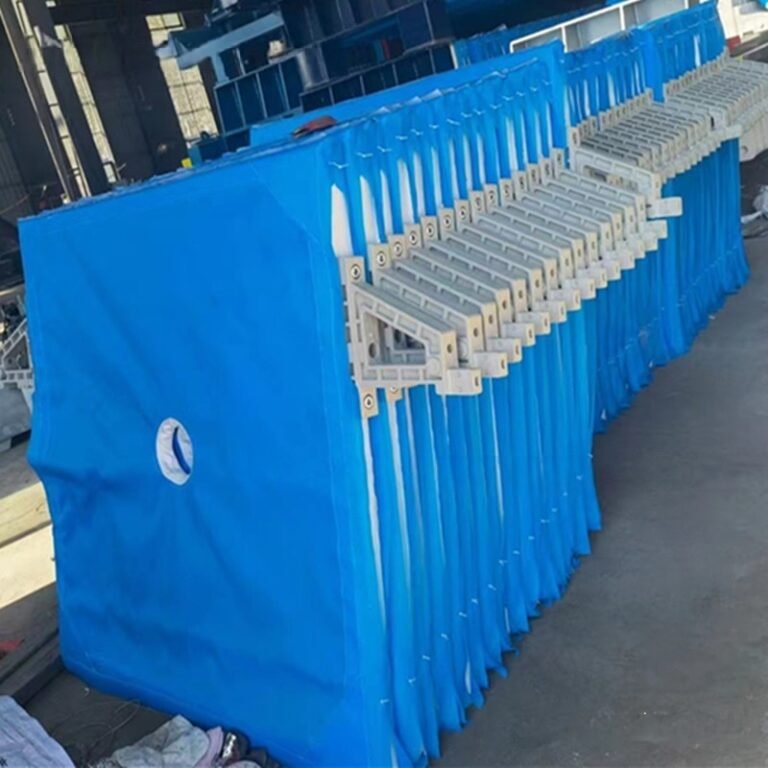
How to choose filter press cloth step by step: polypropylene, polyester or polyamide; monofilament, multifilament or spun; weave and calendering; what air permeability tells you; and how to fit the cloth to the plate.