Quick answer: Corrosion-resistant filter cloth is selected by the slurry’s chemistry: polypropylene covers most acids and alkalis to about 90 °C, polyester suits weak acids at higher temperature, polyamide resists alkali and abrasion, and PTFE or PVDF handle strong oxidisers, solvents and heat above 120 °C. Confirming pH, temperature and solvents before ordering prevents early failure.
Filter Cloth – A New Choice for Industrial Filtration That Is Corrosion-Resistant, Durable and Easy to Clean
- Corrosion resistance and anti-aging: For highly corrosive environments such as metallurgy and chemical industry, the surface of the filter cloth adopts multiple coatings and special fiber blending processes, which can achieve long-term high-intensity operation without performance degradation. Even under extreme processes such as acid washing and alkali washing, the filter cloth remains unchanged and does not degrade.
- Wear-resistant and easy to clean: The fiber design with structural reinforcement greatly improves the filter cloth’s tensile, tear and friction resistance. The filter cake is easy to peel off, and can be efficiently rinsed and quickly restored after unloading, without long-term downtime, reducing operation and maintenance costs.
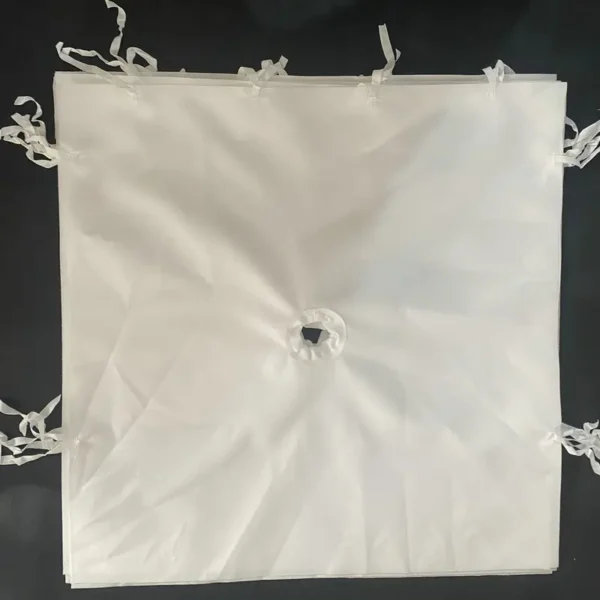
- Multiple specifications are available, and the adaptability is strong: The product covers various types of filter presses such as plate and frame, chamber type, and diaphragm. Whether it is mine tailings dehydration, food clarification, pharmaceutical fine filtration or electroplating liquid recovery, the size, thickness, edge form and welding scheme can be customized on demand to ensure that the seal does not leak.
- Comply with food and medicine safety: For scenes requiring high cleanliness and non-toxicity, food-grade and pharmaceutical-grade raw materials and processes can be selected to meet FDA and other certification requirements to ensure the safety and hygiene of terminal products.
- Real cases in multiple industries: A smelter can still maintain a filtration efficiency of up to 98% after multiple rinses within three years using this filter cloth. A pharmaceutical factory customer reported that the filter cloth replacement cycle was extended by more than 30%, greatly reducing the maintenance cost of the production line.
- Metal beneficiation and tailings dehydration
- Chemical slurry filtration and high-temperature solution separation
- Juice, oil, and syrup clarification in the food industry
- Pharmaceutical and fine chemical high-purity liquid filtration
- Municipal sewage and industrial waste liquid treatment
If you need samples, parameter quotations or process suggestions, please feel free to contact us!
Get a Quote
Related products & guides
Buyer FAQ
Which fibre for strong acid at high temperature?
For strong acids above 90 °C PTFE or PVDF cloth is used; polypropylene is fine for most acids below that temperature. State the acid, concentration and temperature and we recommend the fibre.
Does corrosion-resistant cloth cost much more?
PP is the base price; PET and PA are moderately higher; PTFE and PVDF are several times the cost and are specified only where chemistry demands. The extra cost is usually recovered in cloth life.
Can the cloth be washed with acid or caustic?
Yes, provided the wash chemical suits the fibre: PP tolerates both, PET should avoid strong caustic, PA should avoid acid. We supply a wash recommendation with each cloth.