
Power & New Energy
Quick answer: In power and new-energy plants a filter press turns process slurries into a stackable or saleable cake: flue-gas desulphurisation (FGD) gypsum at coal-fired stations, lithium-battery cathode and anode material washing, recycled black mass and lithium carbonate precipitates, silicon-wafer cutting slurry at photovoltaic plants, and biomass and coal-washing sludge. FGD gypsum and silicon slurry filter fast and suit a large chamber filter press with 1250–2000 mm plates; battery materials and fine precipitates are usually run on a membrane press with cake washing so purity and moisture targets are met in one machine.
Key figures at a glance
- Slurries: FGD gypsum, lithium salts and precursor precipitates, black mass, silicon cutting fluid solids, biomass and coal slurry
- Presses: chamber for high-tonnage fast-filtering solids; membrane with washing for battery and chemical-grade products
- Plate sizes 1000–2000 mm; feed 0.6–1.0 MPa; membrane squeeze 0.8–1.6 MPa
- Materials: polypropylene plates as standard; chloride- and acid-resistant cloth for battery and FGD duty
- Wash water and filtrate are returned to the process, which is often the main economic driver
Related: coal slurry and tailings dewatering · filter press cloth · how to size a filter press · filtration test on your sample
Filter presses are indispensable for FGD gypsum dewatering, lithium battery materials, photovoltaic silicon slurry, hydrogen catalysts, and biomass energy processes.
At present, filter presses—mature solid–liquid separation equipment—have become indispensable in industries such as flue‑gas desulfurization (FGD) at thermal power plants, lithium battery material factories, photovoltaic silicon‑slurry filtration, hydrogen energy catalyst preparation, and biomass energy treatment.
In the new energy sector, raw materials demand high purity and recovery rates; production generates many pollutants that must be treated efficiently; and environmental policies drive reduction and resource reuse. These factors make chamber filter presses, plate‑and‑frame presses, and membrane filter presses widely applied in the power and new energy industries.
For example, during the production of LFP (lithium iron phosphate), NCM ternary materials, and precursor precipitation, slurries must pass through a filter press for efficient separation to ensure product purity and particle‑size distribution.
Thermal power plants generate large volumes of FGD gypsum slurry. By dewatering with a filter press, a dry gypsum cake is obtained, making storage, transportation, and reuse much easier.
In photovoltaic mono/poly‑crystalline silicon wafer cutting, a large amount of silicon‑containing wastewater and silicon sludge is produced. Corrosion‑resistant plate‑and‑frame filter presses can recover silicon powder and clarify the wastewater.
In the hydrogen sector, catalyst synthesis and electrode material preparation require fine filtration of nanoparticles. Stainless‑steel filter presses and small automatic lab‑scale presses are excellent options.
Biomass power plants generate a large amount of biogas slurry and residue. A filter press can dewater them efficiently, and the resulting cake can be used as organic fertilizer.
No matter whether you are from a lithium battery materials plant, a power‑plant EPC contractor, or a PV, hydrogen, or bioenergy project integrator, we can provide customized filter press solutions. Feel free to contact us anytime.
Typical Equipment
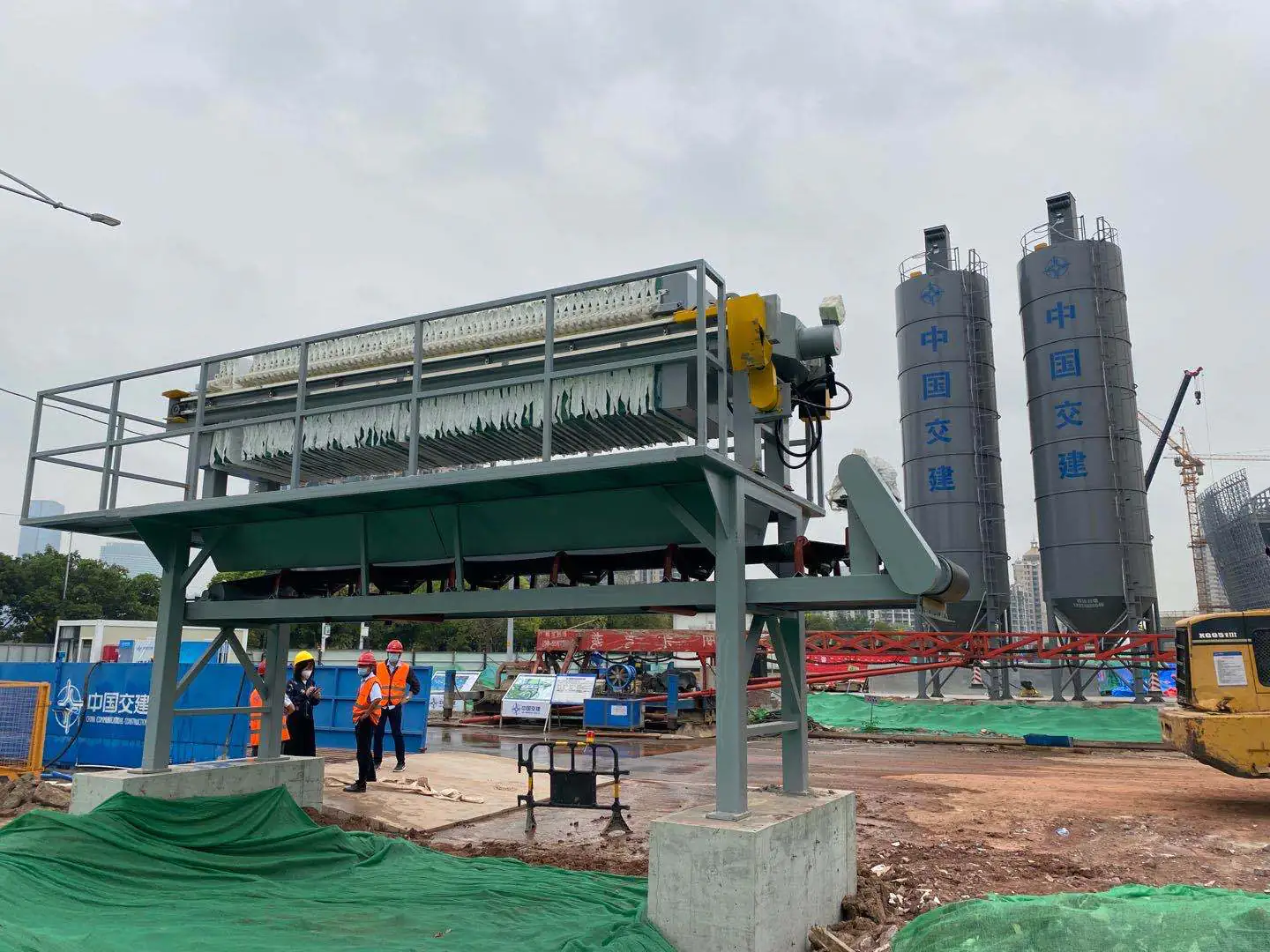
- Chamber filter press (efficient dewatering for high‑solids slurries)
- Plate & frame filter press (for corrosive/high‑temperature conditions)
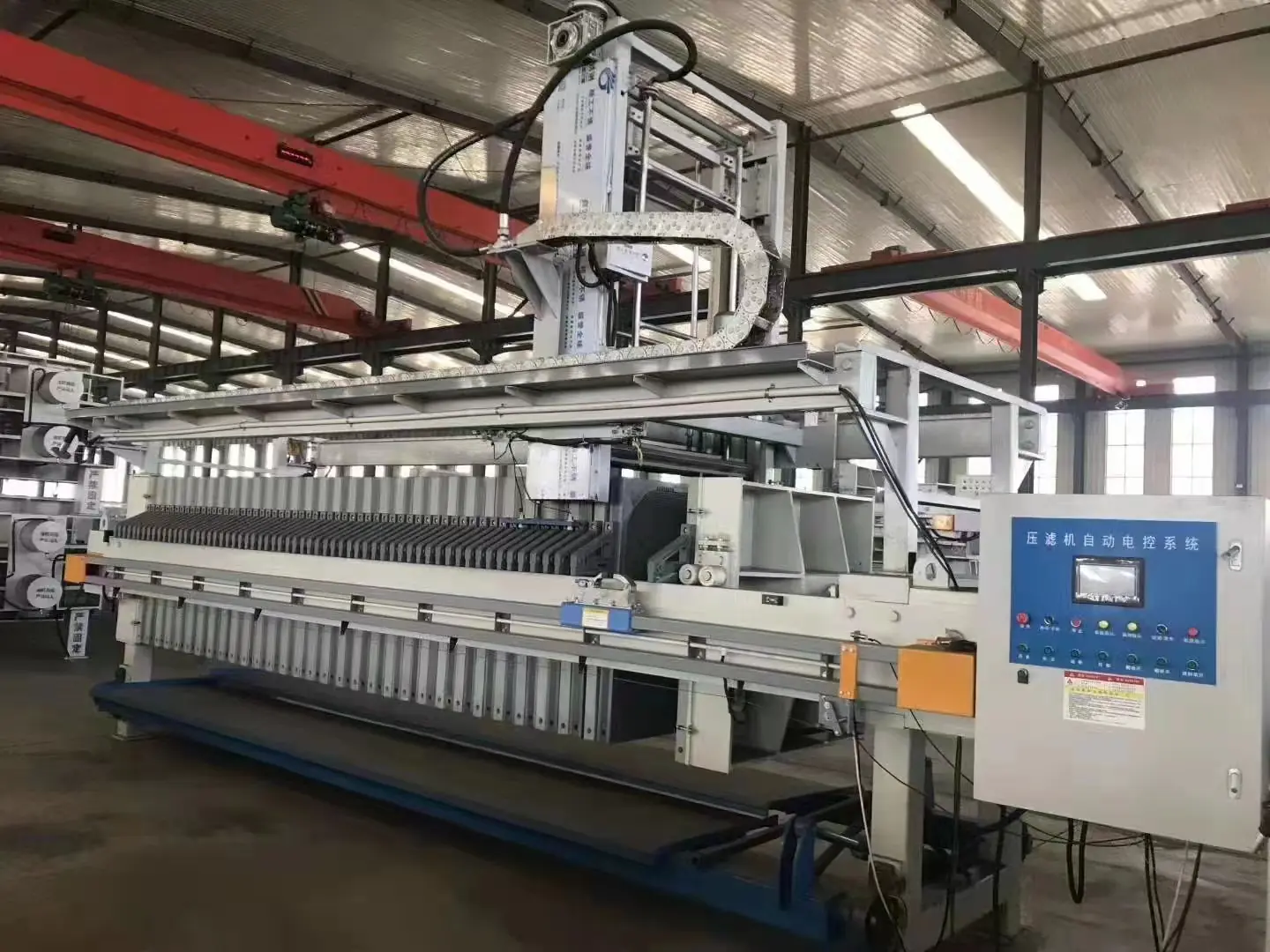
- Membrane filter press (secondary squeezing, lower cake moisture)
- Stainless‑steel lab / pilot filter press (R&D and pilot stages)
Image Gallery
Get a Filter Press Solution for Power & New Energy
Tell us your process conditions, capacity and targets, and our engineers will deliver a complete solution.
Contact Now